Breaking Generational Cycles Healing and Growth
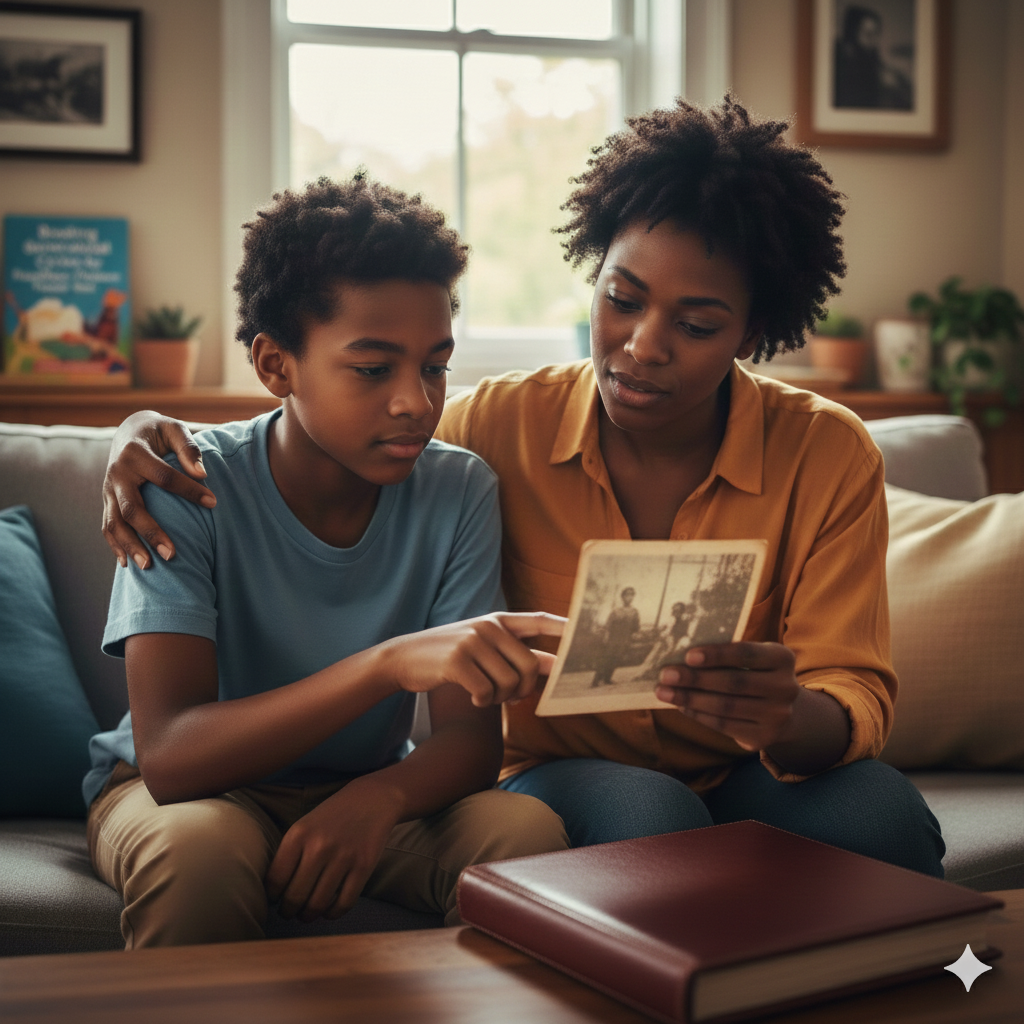
Every family carries a story. Some parts of that story are filled with love, resilience, and wisdom passed down through generations. Other parts, however, may include pain, silence, unresolved trauma, or harmful patterns that repeat themselves quietly over time. These repeating patterns—often called generational cycles—can shape how we think, feel, relate to others, and raise our children, sometimes without us even realizing it.
Breaking generational cycles is not about blaming the past. It is about understanding it, healing from it, and consciously choosing a healthier path forward.
What Are Generational Cycles?
Generational cycles are behaviors, beliefs, emotional responses, or relationship patterns that are passed down from one generation to the next. They may include:
- Emotional suppression or avoidance
- Harsh or overly controlling parenting styles
- Difficulty expressing love or affection
- Poor communication or unresolved conflict
- Fear-based decision-making
- Trauma responses shaped by hardship, neglect, or instability
Often, these patterns were created as survival mechanisms. What once helped a previous generation cope may no longer serve the next—but without awareness, the cycle continues.
Why These Cycles Are So Hard to Break
Generational patterns feel “normal” because they are familiar. When something is ingrained from childhood, it can be difficult to recognize it as harmful. Many people repeat patterns not because they want to, but because they were never shown an alternative.
Additionally:
- Challenging family norms can feel disloyal
- Healing may bring up uncomfortable emotions
- Change requires vulnerability and self-reflection
Breaking cycles takes courage—it means choosing growth over familiarity.
Awareness: The First Step Toward Healing
Healing begins with awareness. When we pause and reflect on our upbringing, we may begin to notice patterns such as:
- How emotions were handled in our family
- How conflict was addressed—or avoided
- What messages we received about worth, strength, or love
Awareness does not mean judgment. It simply means seeing the truth clearly. This clarity allows us to make intentional choices instead of reacting automatically.
Healing the Past Without Living in It
Healing generational wounds does not require reliving every painful memory. It requires:
- Acknowledging what happened
- Allowing space for emotions to be felt and processed
- Understanding how past experiences influence present behavior
Healing is not linear. Some days bring clarity and peace; others may bring grief or frustration. Both are part of growth.
Seeking support—through therapy, trusted relationships, or reflective practices—can make healing safer and more sustainable.
Creating Healthier Patterns for the Future
Breaking generational cycles is not only about healing yourself—it’s also about shaping a healthier future for those who come after you.
This may look like:
- Communicating openly instead of shutting down
- Parenting with empathy rather than fear
- Setting boundaries where none existed before
- Teaching emotional awareness and accountability
- Modeling respect, kindness, and self-regulation
Each intentional choice weakens the old cycle and strengthens a new one.