
The Emotional World of Boys—Understanding Sensitivity and Strength
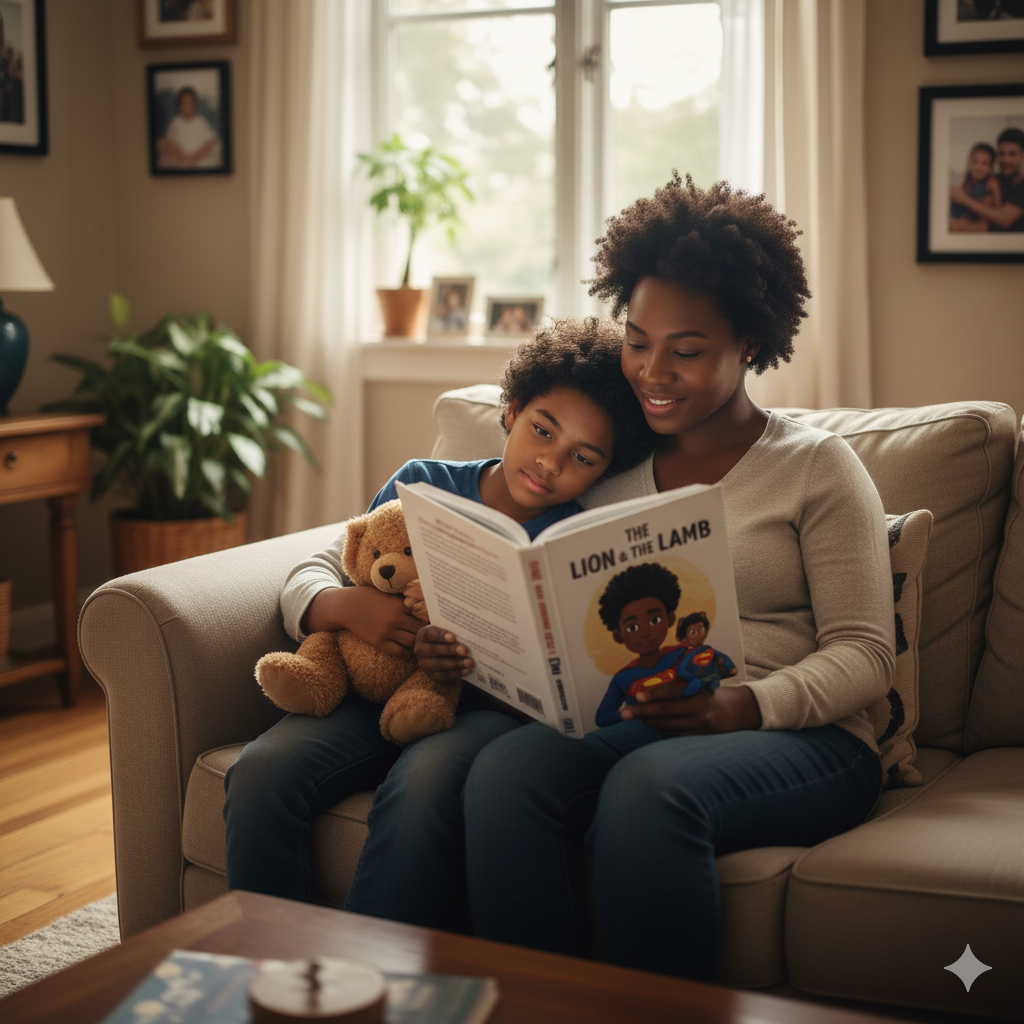
For generations, boys have been raised with a narrow definition of strength—one that often discourages emotional expression. Phrases like “boys don’t cry” or “man up” have shaped how many boys learn to interact with their feelings. Yet modern research and lived experience tell us a different story: emotional sensitivity is not a weakness—it is a vital part of true strength.
Understanding the emotional world of boys is essential for parents, caregivers, educators, and society as a whole. When we create safe spaces for boys to feel, express, and understand their emotions, we help them grow into healthier, more resilient men.
Boys Feel Deeply—Even When They Don’t Show It
Boys experience emotions just as deeply as girls. They feel joy, sadness, fear, anxiety, disappointment, and love with the same intensity. The difference is not in what they feel, but in how they are taught to express it.
From a young age, many boys learn that showing vulnerability can lead to criticism, teasing, or rejection. As a result, emotions are often redirected into silence, withdrawal, or anger—because anger is one of the few emotions society still allows boys to display openly.
When emotions go unacknowledged, boys may struggle internally, even while appearing “fine” on the outside.
Sensitivity Is a Core Human Strength
Sensitivity allows boys to:
- Develop empathy and compassion
- Build deeper relationships
- Recognize their own emotional needs
- Respond thoughtfully instead of reactively
Emotionally sensitive boys are often more perceptive, creative, and emotionally intelligent. These qualities are not traits to be “toughened out”—they are skills that support leadership, healthy communication, and long-term well-being.
True strength is not the absence of emotion, but the ability to understand and manage it.
What Happens When Boys Suppress Emotions
When boys are taught to hide or suppress emotions, it can lead to:
- Increased anxiety and stress
- Difficulty communicating feelings
- Emotional shutdown or avoidance
- Anger issues or impulsive behavior
- Challenges forming close relationships
Over time, unexpressed emotions don’t disappear—they surface in other ways. Teaching boys emotional awareness early helps prevent these patterns from becoming deeply rooted in adulthood.
Helping Boys Understand and Express Their Emotions
1. Normalize Emotional Expression
Let boys know that all emotions are valid. Sadness, fear, and vulnerability are natural human responses—not signs of weakness.
2. Give Emotions Language
Many boys struggle simply because they don’t have the words. Teaching emotional vocabulary helps them identify and communicate what they feel instead of acting it out.
3. Model Emotional Health
Boys learn by watching. When adults express emotions calmly and openly, boys learn that it’s safe to do the same.
4. Encourage Safe Outlets
Physical activity, creative expression, journaling, or quiet reflection can help boys process emotions in ways that feel natural to them.
5. Respond With Understanding, Not Judgment
When boys open up, how adults respond matters deeply. Listening without immediately correcting, dismissing, or minimizing builds trust and emotional safety.
Redefining Strength for the Next Generation
Strength does not mean emotional silence. Strength means:
- Having the courage to feel
- The awareness to understand emotions
- The resilience to move through challenges without denying pain
By redefining strength to include emotional awareness, we allow boys to grow into men who are confident, empathetic, and emotionally grounded.
A Healthier Future Begins With Understanding
When we honor both sensitivity and strength, we give boys permission to be whole human beings. Emotionally supported boys are more likely to:
- Build healthy relationships
- Manage stress effectively
- Communicate openly
- Develop self-respect and respect for others
Understanding the emotional world of boys is not just about helping them—it’s about creating a more emotionally intelligent, compassionate, and resilient society.